What is the best window treatment to block sun and heat?
November 25, 2026
The best window treatments for blocking both sun and heat are cellular (honeycomb) shades, while UV-filtering sheer shades are ideal when you only want to soften harsh sunlight. Unlike permanent sun-control window films or basic blackout blinds that darken your room, cellular honeycomb shades let you adjust natural light—blocking summer heat without blocking out the sun.
Let’s look at how these two options work:
Best for Blocking Sun (Light) and Heat: Cellular Honeycomb Shades
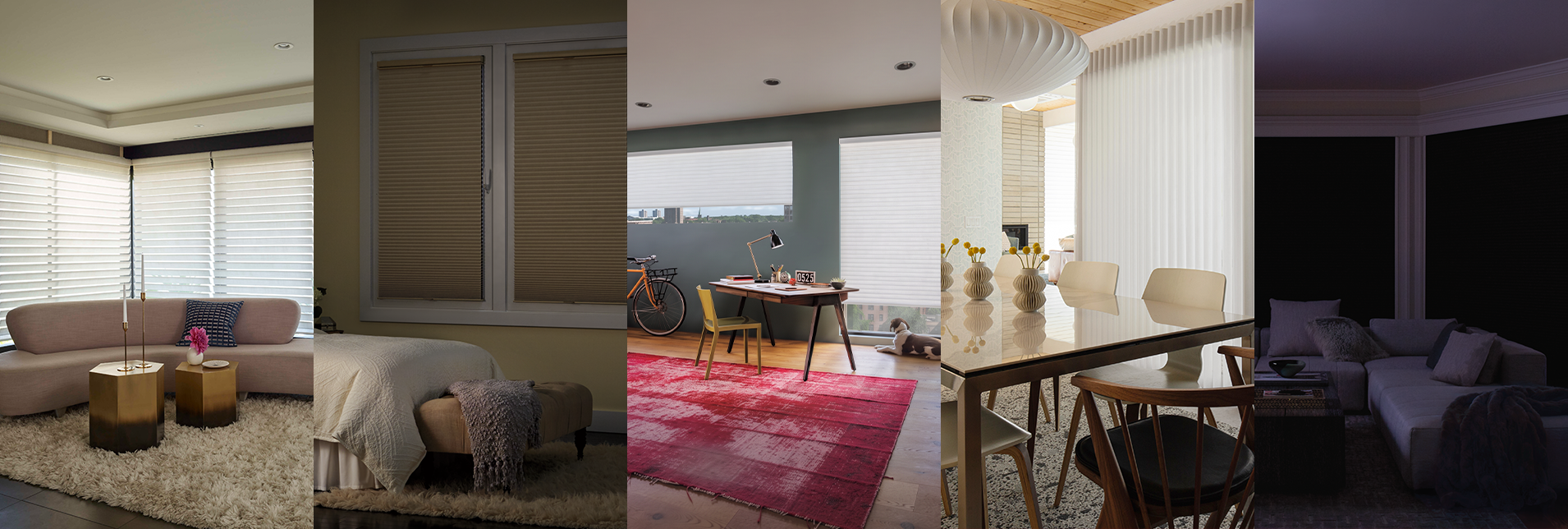
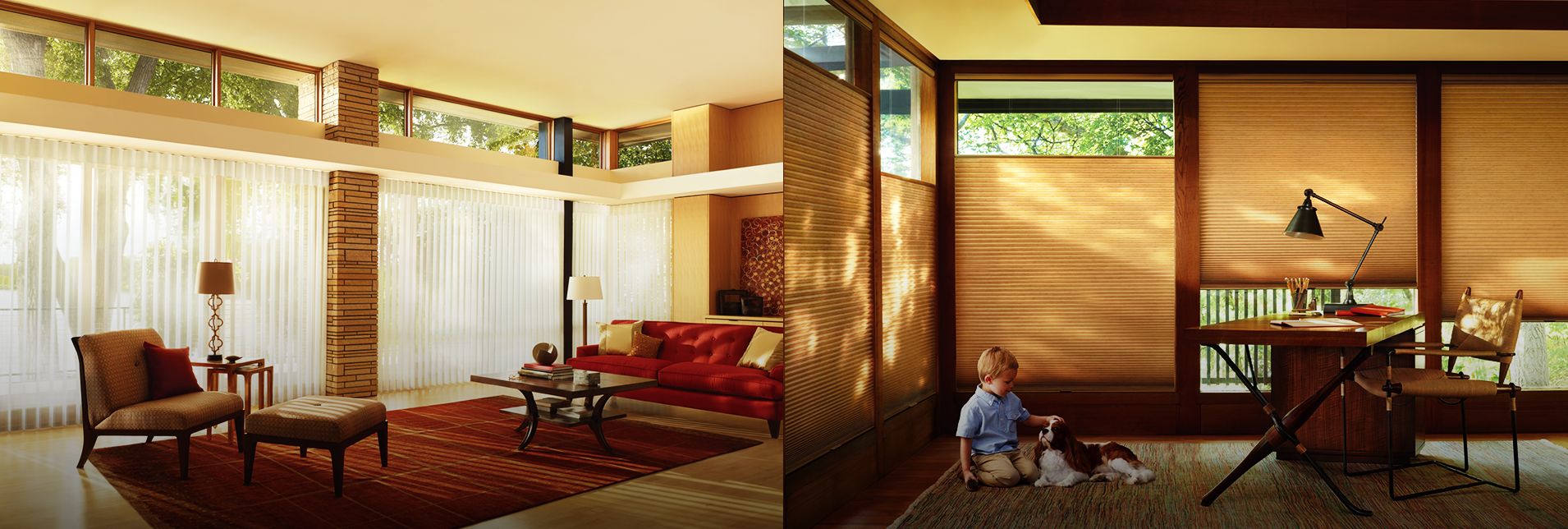
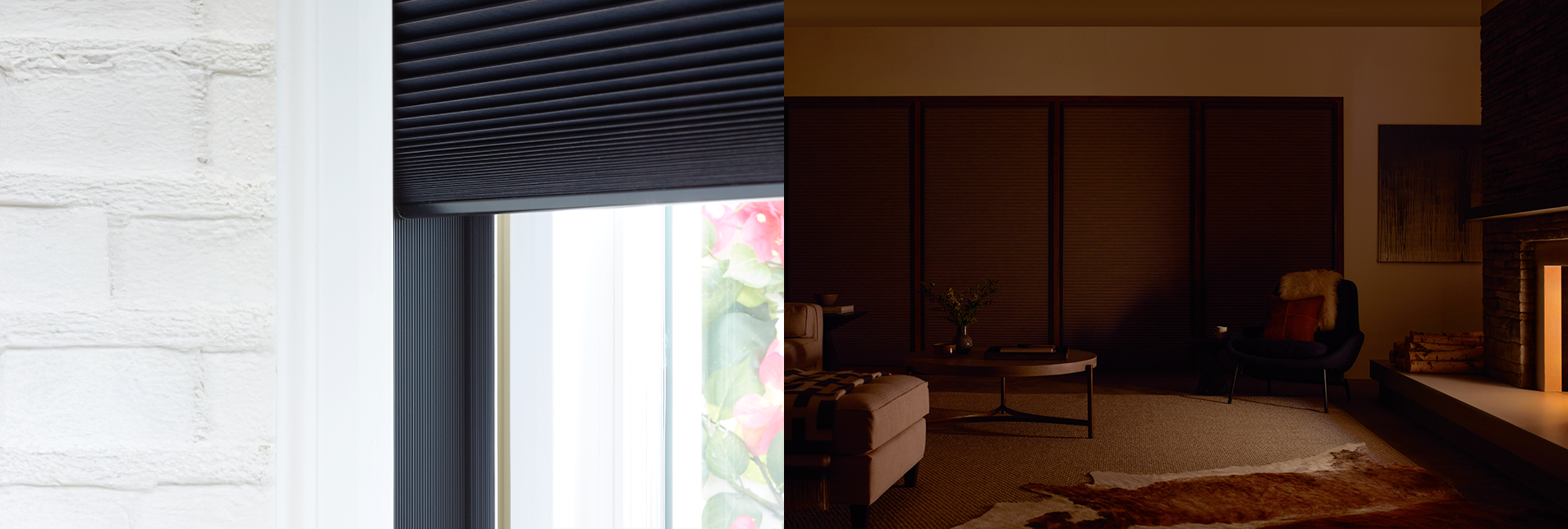
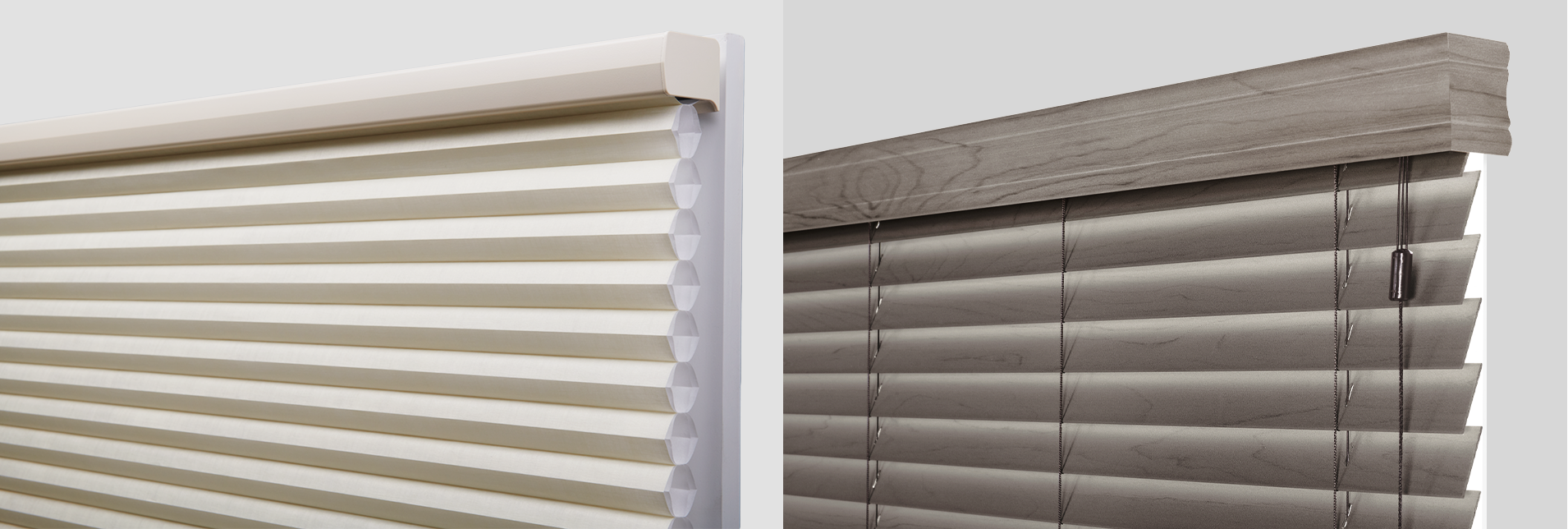
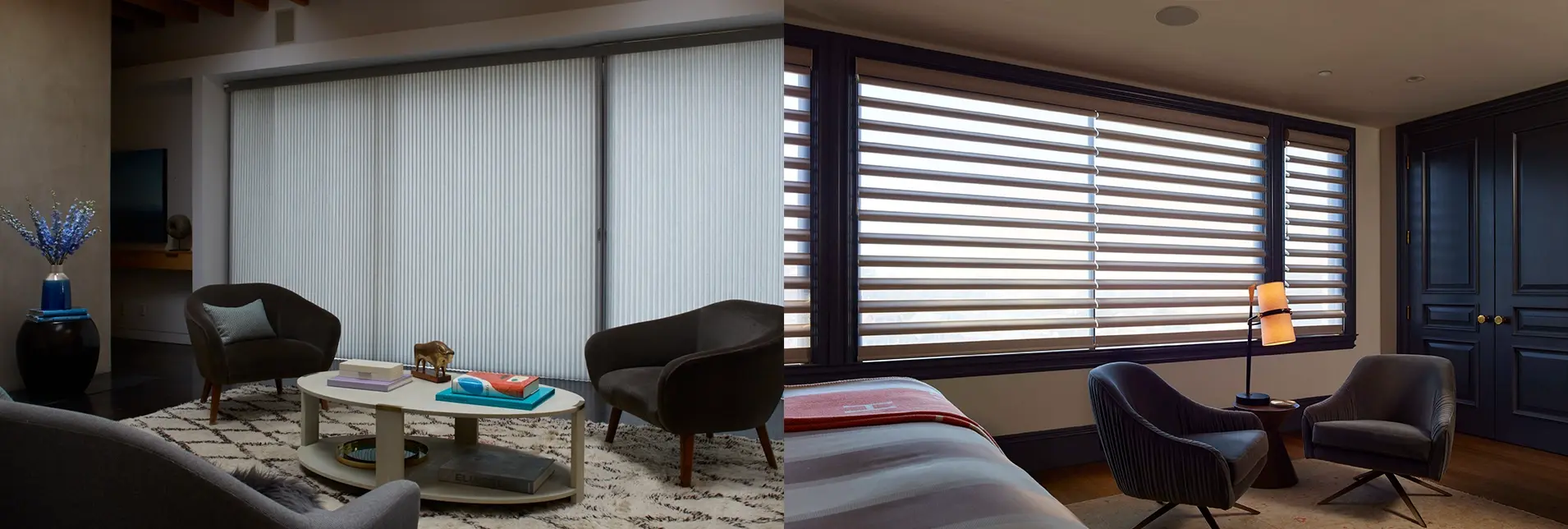
To block outdoor heat from entering your room, a window shade needs to trap the hot air right at the window. Duette® Honeycomb Shades are designed with unique honeycomb-shaped air pockets that create an insulating barrier – trapping hot air before it warms up your interiors. For west-facing windows or peak Indian summers, Duette® Architella® adds a honeycomb-within-a-honeycomb structure for even stronger heat insulation, keeping rooms noticeably cooler and reducing the load on your AC.
Best for Blocking Sun (Light) Only: Sheer Shades
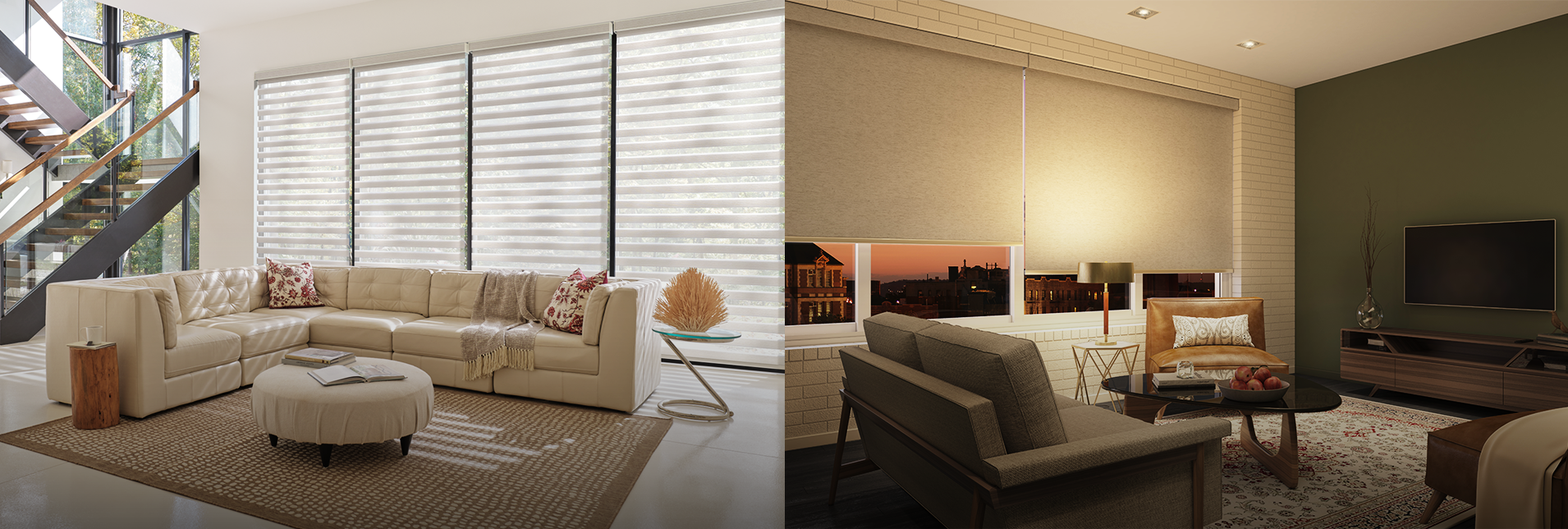
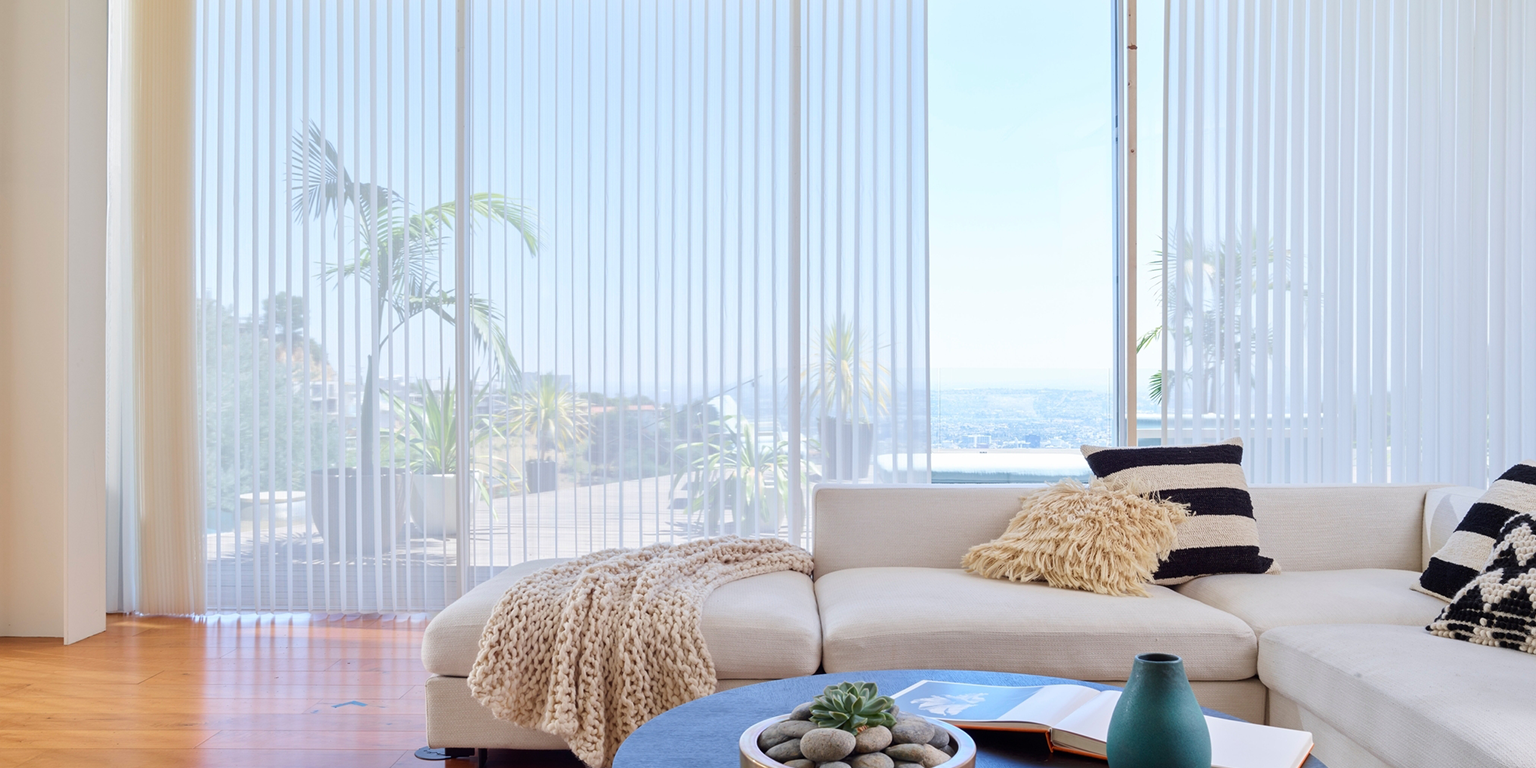
If your main concern is harsh sunlight and glare rather than heat, sheer window shades offer the best balance of light and view. Featuring soft fabric vanes suspended between sheer layers,Silhouette® Sheer Shades, Pirouette® Sheer Shades, and Luminette® Privacy Sheers diffuse bright sunlight into a gentle, even glow while filtering out UV rays to protect your furniture and flooring. Note: Because these shades are built with open sheer fabrics rather than air-trapping pockets, they filter sunlight and glare effectively, but they do not block heat.
Why Window Shades Work Better Than Sun Films & Basic Blackout Blinds
Sun-control films permanently tint your glass and cannot be removed on cloudy monsoon days or in the evening. Basic blackout blinds stop heat only by blocking out all daylight, forcing you to switch on indoor lights. Cellular Honeycomb Shades give you full flexibility – keeping intense summer heat out in the afternoon, welcoming soft daylight in the morning, and opening completely at night.