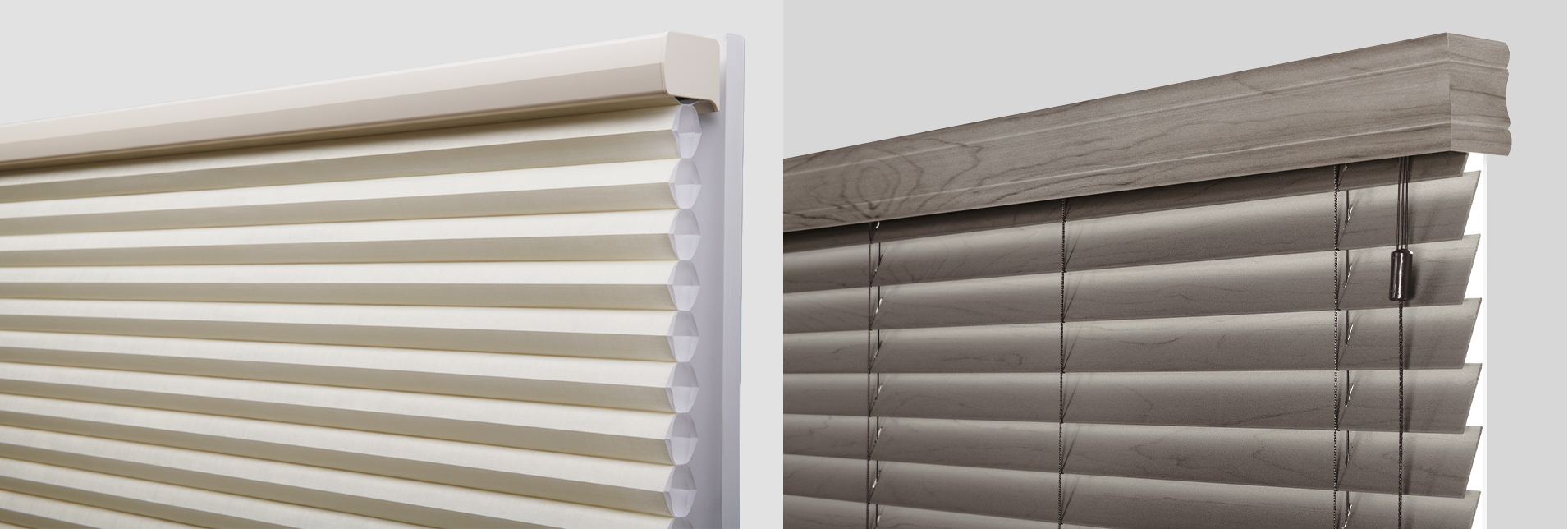
| Feature |
Cellular Shades
(Honeycomb Shades) |
Wood Blinds
/
Aluminum Blinds |
| Energy Efficiency |
Superior. Traps air in cells to insulate against heat/cold. |
Air passes through slat gaps. |
| Light Control |
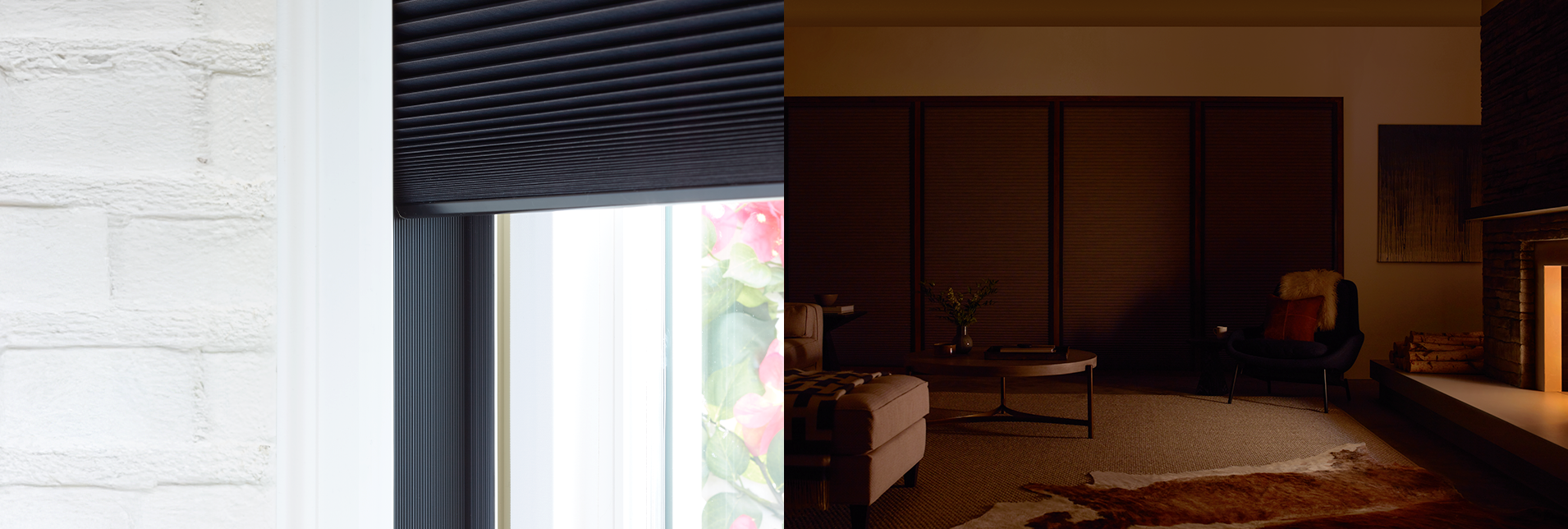
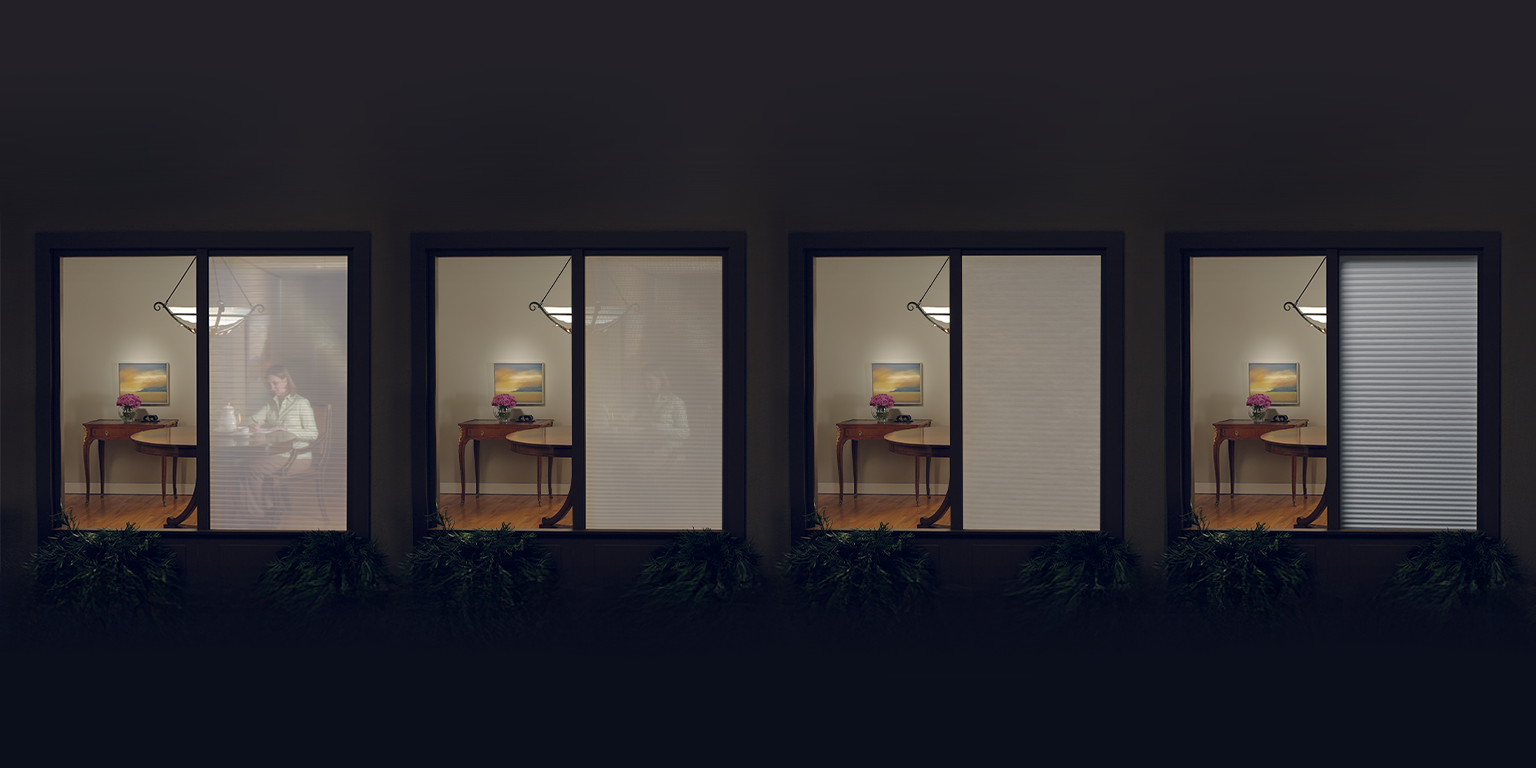
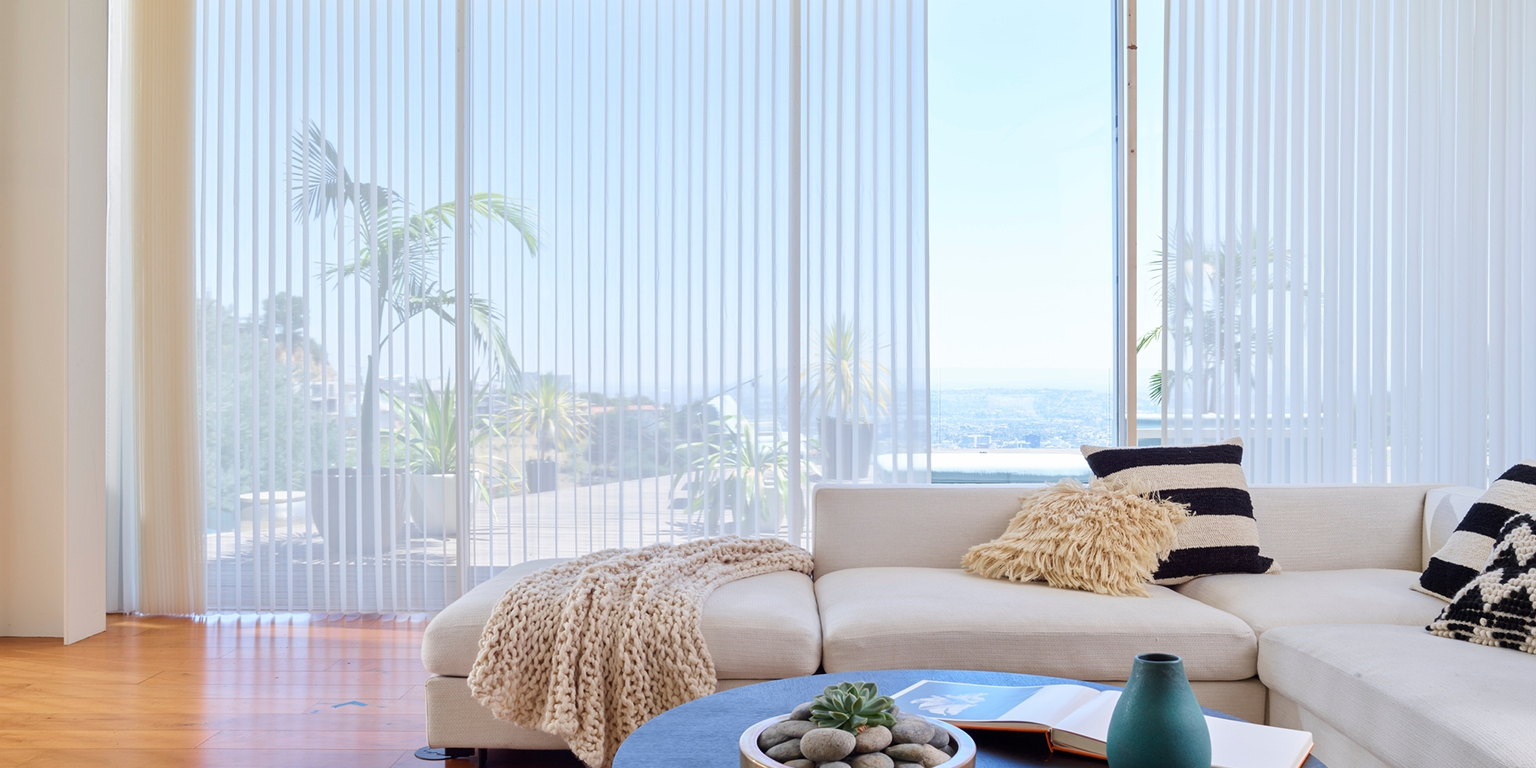
Diffuses light smoothly or blocks it completely. |
Slat tilting allows precise directional light adjustment. |
| Light Leaks |
Zero. Room darkening fabric eliminates any gaps. |
String holes and slat seams let unwanted light bleed through. |
| Maintenance |
Requires vacuuming with a brush attachment; fabric can stain if neglected. |
Easy to wipe clean; handles high humidity (faux wood/aluminum) effortlessly. |
| Aesthetics |
Soft, architectural look with a compact stack. |
Structured, classic look with visible lines. |
| Window Shapes |
Versatile & Superior. Custom-fit for arches, trapezoids, skylights and more shapes. |
Restricted to standard rectangular window shapes. |